Stop Wasting Time on Single-Market Investing: Try These 7 Cross-Border Wealth Building Hacks
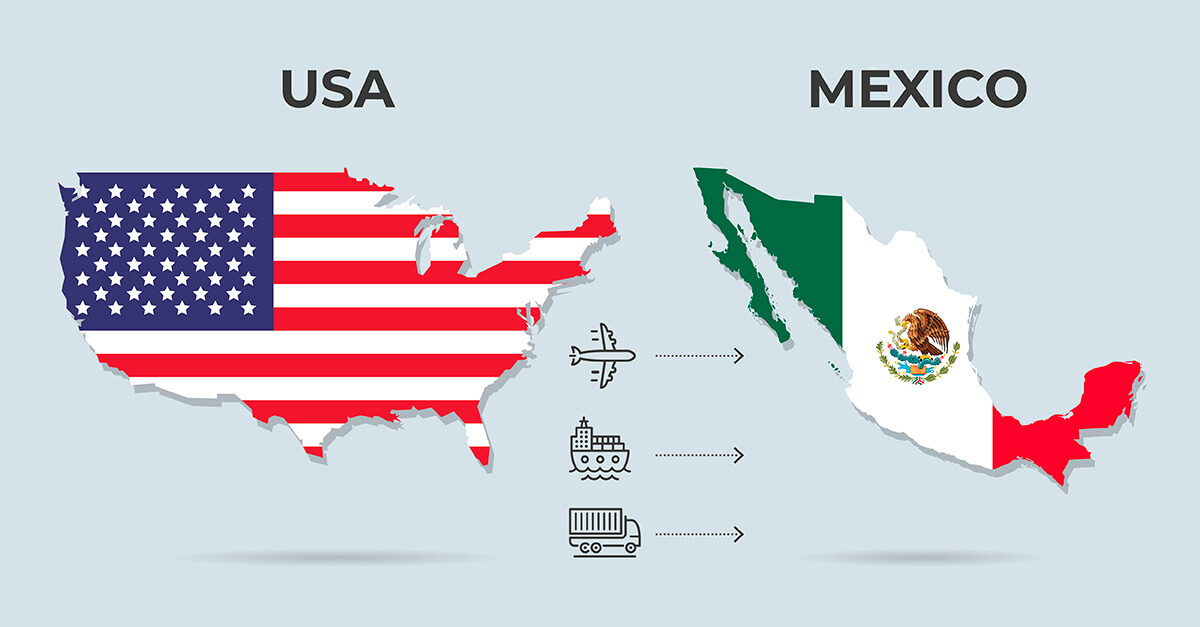
If you're still putting all your investment eggs in one country's basket, you're leaving serious money on the table. While your neighbors are stuck riding the roller coaster of a single economy, smart investors are building wealth across borders: and they're sleeping better at night because of it.
The harsh reality? Single-market investing is like playing poker with half a deck. You're missing out on opportunities, exposing yourself to unnecessary risks, and limiting your potential returns. Meanwhile, geopolitical tensions, currency fluctuations, and economic downturns can wipe out years of gains in a matter of months.
But here's the good news: cross-border wealth building isn't just for billionaires anymore. With the right strategies, you can diversify internationally, hedge against domestic risks, and tap into growth opportunities that single-market investors never see coming.
Let's dive into seven proven hacks that will transform your investment approach and set you up for long-term wealth building success.
Hack #1: Master the Currency Arbitrage Game
Smart money doesn't just invest in assets: it invests in currencies. When you diversify across multiple currencies, you're essentially creating a natural hedge against domestic inflation and devaluation.
Think about it: while the U.S. dollar might be struggling against inflation, the Mexican peso could be strengthening due to nearshoring trends, or the Swiss franc might be providing stability during global uncertainty. By holding assets in multiple currencies, you're positioned to benefit no matter which way the economic winds blow.
The key is understanding currency correlations and timing. For example, when U.S. interest rates rise, it often strengthens the dollar against emerging market currencies: creating buying opportunities in those markets. Conversely, when the dollar weakens, your foreign holdings become more valuable in dollar terms.
Pro tip: Don't just think stocks and bonds. Real estate purchases in stable foreign markets can provide both currency diversification and tangible asset appreciation.
Hack #2: Leverage Jurisdictional Arbitrage for Asset Protection
Here's what wealthy families have known for decades: where you hold your assets matters as much as what assets you hold. Jurisdictional diversification isn't about hiding money: it's about smart risk management.
Different countries offer different levels of political stability, legal frameworks, and investor protections. By spreading your wealth across multiple jurisdictions, you're protecting against the risk of any single government's policies devastating your portfolio.
Switzerland remains the gold standard for asset protection, with segregated custodian accounts that keep your investments separate from bank balance sheets. Singapore offers excellent banking infrastructure with strong property rights. Even within North America, holding assets in both the U.S. and Mexico can provide strategic advantages depending on your circumstances.
The goal isn't complexity for complexity's sake: it's about ensuring that your wealth remains accessible and protected regardless of what happens in your home country.
Hack #3: Tap Into Cross-Border Real Estate Opportunities
While everyone else is fighting over the same overpriced properties in major U.S. markets, cross-border investors are finding incredible opportunities south of the border. Mexico's real estate market offers compelling value propositions that most American investors completely overlook.
Consider the nearshoring boom: as companies move manufacturing closer to the U.S., Mexican industrial and residential markets are experiencing unprecedented growth. Cities like Tijuana, Juárez, and Monterrey are seeing massive infrastructure investments and population growth.
But it's not just about Mexico. Savvy investors are looking at markets across the Americas, from Costa Rica's tourism-driven properties to Colombia's emerging urban centers. The key is understanding local regulations, tax implications, and working with advisors who specialize in cross-border transactions.
Real estate investment trusts (REITs) focused on international markets can also provide exposure without the complexity of direct ownership, though direct ownership often provides better tax advantages and control.
Hack #4: Exploit Regulatory Arbitrage Opportunities
Every country has different rules, tax structures, and investment incentives. What's heavily regulated in one jurisdiction might be encouraged in another. Smart investors learn to navigate these differences to their advantage.
For instance, certain investment structures that face restrictions in the U.S. might be perfectly legal and advantageous in other jurisdictions. Some countries offer significant tax incentives for foreign investors, especially in sectors they want to develop.
The February 2025 policy changes have created fast-track processes for investments from allied nations, making cross-border deals more efficient than ever. Countries like Ireland, Belgium, and Singapore are actively courting foreign investment with streamlined processes and attractive terms.
Stay informed about changing regulations and work with advisors who understand the international landscape. What seems like a regulatory hurdle might actually be an opportunity in disguise.
Hack #5: Build Income-Generating Digital Assets Without Borders
Traditional investing focuses on stocks, bonds, and real estate. But the smartest wealth builders are creating assets that generate income regardless of geographic boundaries. Digital assets: from online businesses to intellectual property: can produce cash flow in multiple currencies simultaneously.
Consider building or acquiring digital businesses that serve international markets. A software company serving both U.S. and Latin American clients generates revenue in multiple currencies and isn't tied to any single economy's performance.
E-commerce businesses, digital courses, licensing agreements, and online services can all generate passive income streams that transcend borders. The initial effort compounds over time, much like traditional investments, but with potentially higher returns and more flexibility.
The beauty of digital assets is their scalability. Once created, they can generate income 24/7 without the geographical limitations of physical assets.
Hack #6: Access Global Innovation Clusters
Innovation doesn't happen uniformly around the world: it clusters in specific regions and sectors. By limiting yourself to domestic markets, you're missing out on breakthrough technologies and high-growth industries developing elsewhere.
Europe leads in renewable energy innovation, Asia dominates certain technology sectors, and Latin America is experiencing a fintech revolution. Each region offers unique opportunities that aren't available in others.
Global diversification isn't just about risk reduction: it's about accessing growth opportunities that don't exist in single markets. When you invest across borders, you're positioning yourself to benefit from global innovation rather than being limited by domestic market conditions.
Consider sector-specific international exposure through targeted investments in regions where those industries are thriving. Clean energy in Europe, technology in Asia, or natural resources in Latin America can all complement your domestic holdings.
Hack #7: Create Strategic Cross-Border Business Partnerships
Sometimes the best investment is investing in relationships. Strategic partnerships across borders can open doors to opportunities that pure financial investments can't match.
Joint ventures, business partnerships, and collaborative investments allow you to leverage local expertise while providing capital and international perspective. These relationships often lead to deal flow and opportunities that aren't available to purely financial investors.
For example, partnering with local developers in emerging markets can provide access to pre-development opportunities at significant discounts to finished product prices. Similarly, partnerships with established businesses in foreign markets can provide distribution channels for your own ventures.
The key is finding partners who complement your strengths and share your long-term vision. These relationships often prove more valuable than individual transactions.
Making It Work: Your Next Steps
Cross-border wealth building isn't about abandoning domestic opportunities: it's about expanding your universe of possibilities. Start small, educate yourself about international regulations, and work with professionals who understand cross-border investing.
The investors building real wealth today aren't limiting themselves to single markets. They're thinking globally, acting strategically, and positioning themselves to benefit from opportunities wherever they arise.
Ready to expand your investment horizon beyond single-market limitations? The global marketplace offers unprecedented opportunities for those willing to think beyond borders. The question isn't whether you can afford to invest internationally: it's whether you can afford not to.
¿Listo para explorar oportunidades de inversión sin fronteras? Email us directly at director@grupopereda.com to discuss your cross-border investment strategy.