The Ultimate Guide to Mexico Real Estate Investment: Everything U.S. Investors Need to Succeed in 2025
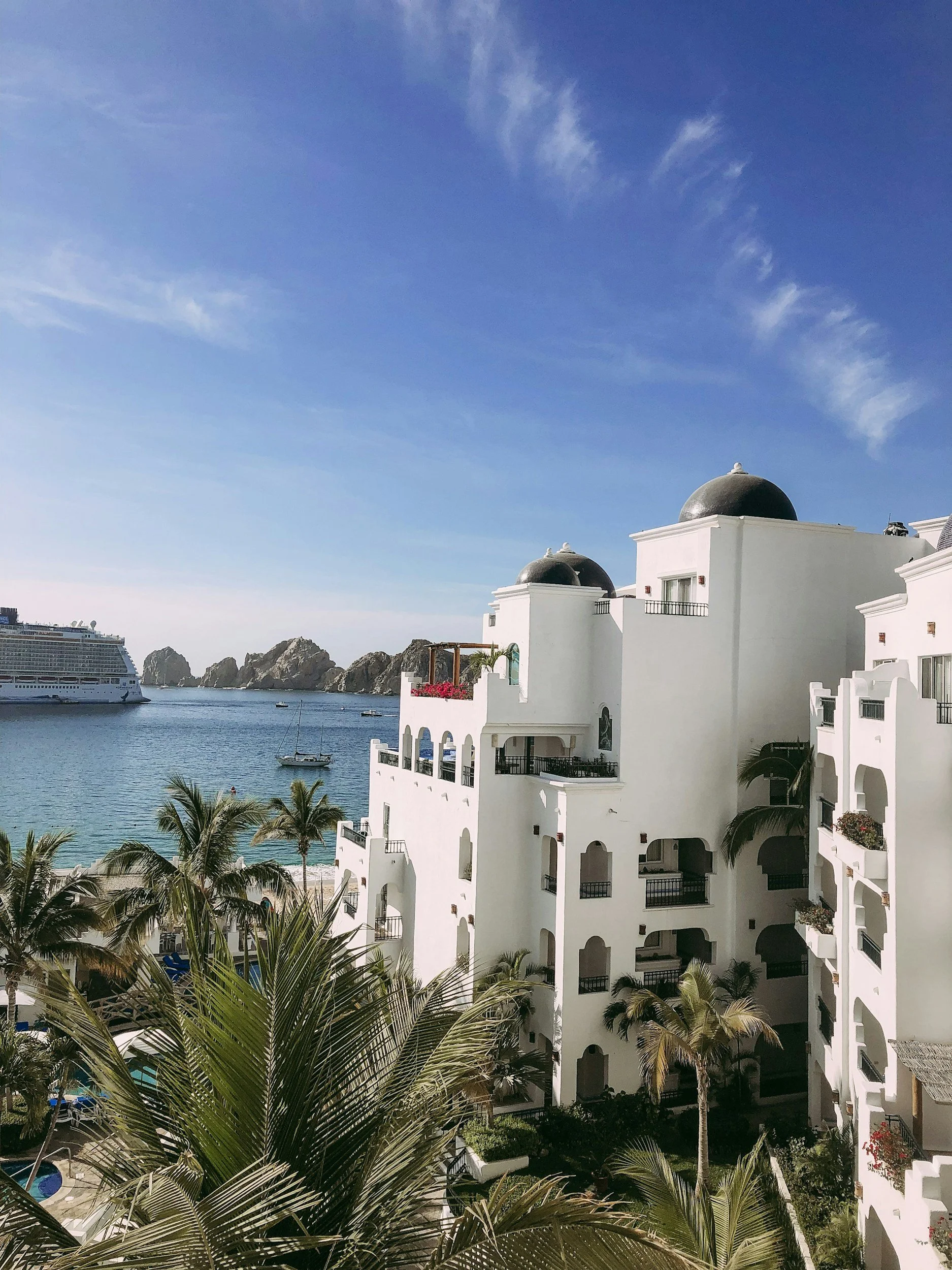
Los Cabos, Baja California Sur, Mexico
Mexico's real estate market is having a moment, and U.S. investors are taking notice. With property prices expected to jump 6% in 2025 and residential housing investments surging from $14 billion to $21 billion, the timing couldn't be better to explore opportunities south of the border.
Whether you're looking for a vacation rental empire, a retirement haven, or simply diversifying your investment portfolio, Mexico offers compelling advantages that are hard to ignore. Let's dive into everything you need to know to make smart investment decisions in 2025.
Why Mexico Should Be on Your Investment Radar
The fundamentals are solid. Mexico's proximity to the U.S. makes property management easier, while favorable exchange rates stretch your investment dollars further. The country's stable legal framework for foreign ownership, combined with a thriving tourism industry, creates multiple pathways to profitability.
But here's what really gets investors excited: the ROI potential. Top markets are delivering 7-15% returns, with property appreciation rates hitting 8-10% in prime locations. Compare that to many saturated U.S. markets, and you'll see why savvy investors are heading south.
The lifestyle factor is real too. Mexico offers year-round sunshine, rich culture, and world-class beaches – making it equally appealing whether you're buying for investment income or personal enjoyment.
The Top Investment Markets for 2025
Riviera Maya leads the pack with the highest ROI potential of 7-15%. This eco-luxury hotspot commands premium pricing despite occupancy rates around 46%. The key here is quality over quantity – fewer bookings but much higher daily rates.
Puerto Vallarta offers the sweet spot for balanced investors, delivering 6-9% ROI with 6-8% appreciation and solid 49% occupancy rates. It's affordable, tourist-friendly, and has decades of proven track record attracting American visitors.
Mexico City is your urban play, perfect for year-round rental demand with 5-8% ROI and the highest occupancy at 55%. Corporate travelers, students, and long-term renters keep cash flow steady.
Cabo San Lucas caters to the luxury market with 8-10% ROI potential. While occupancy sits at 44%, the premium pricing more than compensates for slower periods.
Mérida represents the best long-term growth story – 5-7% ROI in a culturally rich, affordable city that's becoming increasingly popular with digital nomads and retirees.
Understanding Foreign Ownership Laws
Here's where things get interesting. U.S. citizens can absolutely own property in Mexico, but there are specific rules depending on location.
Properties within 50 kilometers of the coast or 100 kilometers of international borders fall into the "restricted zone." Don't let this scare you off – it simply means you'll own the property through a fideicomiso (bank trust). This 50-year renewable trust gives you full beneficial ownership rights, including the ability to sell, rent, mortgage, or pass the property to heirs.
Outside restricted zones, you can purchase directly or through a Mexican corporation. Either way, the key is working with experienced professionals who understand the nuances of Mexican real estate law.
The Buying Process: What to Expect
The purchase timeline typically runs 30-60 days from accepted offer to closing. Here's the step-by-step breakdown:
1. Submit Your Offer
Work with a qualified agent who specializes in serving foreign buyers. They'll handle negotiations and ensure all paperwork is properly prepared.
2. Execute Purchase Agreement
Once your offer is accepted, you'll sign a purchase agreement and provide earnest money (usually 5-10% of purchase price).
3. Due Diligence Period
This is crucial. Verify clear title, check for liens, confirm zoning compliance, and ensure all permits are in order. Your attorney should handle this thoroughly.
4. Set Up Fideicomiso (if needed)
If buying in the restricted zone, establish the trust through a Mexican bank. This typically takes 2-3 weeks.
5. Closing with Notario Público
Unlike U.S. closings, Mexican transactions are finalized with a government-appointed notary public who validates everything and transfers title.
The Real Costs of Ownership
Budget 4-8% of purchase price for closing costs, including notary fees, title transfer taxes, and legal expenses. You'll also need an RFC (Mexican tax ID) for ongoing compliance.
Annual expenses include:
Fideicomiso fees: $500-700/year
Property taxes: typically 0.1-0.3% of assessed value
HOA fees: varies by development
Insurance: budget $1,000-3,000/year depending on coverage
Property management: 10-20% of rental income
For vacation rentals, factor in VAT and local lodging taxes. Keep detailed records – you'll need them for Mexican tax filings and to track your cost basis for eventual sale.
Current Market Pricing and Projections
Property values vary dramatically by location and type, but here's what you can expect in 2025:
Modern 75 sq meter apartments: ~$300,000-320,000 USD
Studio apartments (30 sq meters): $100,000-110,000 USD
Luxury penthouses (100 sq meters): $620,000-660,000 USD
Investment properties (50 sq meters): $180,000-190,000 USD
Townhouses (150 sq meters): $775,000-825,000 USD
These figures represent significant value compared to similar properties in desirable U.S. coastal markets, while offering comparable or superior lifestyle amenities.
Managing Risks and Maximizing Returns
Currency fluctuation is your biggest wildcard. The USD-MXN exchange rate can significantly impact returns, so consider this when planning entry and exit strategies. Some investors hedge by collecting rents in dollars for premium properties.
Verify HOA rules about short-term rentals before buying – some developments restrict vacation rental operations. Comprehensive insurance is non-negotiable, especially hurricane coverage in coastal areas.
Property management quality makes or breaks vacation rental success. Look for managers with proven track records serving foreign owners, clear communication protocols, and transparent financial reporting.
Your Action Plan for Success
Start with market research. Each region attracts different visitor types and offers unique opportunities. Tulum draws eco-conscious luxury travelers, Puerto Vallarta serves traditional beach vacationers, and Mexico City provides urban professionals.
Build your professional team early. You need a qualified real estate agent, experienced attorney, reliable property manager, and trusted accountant familiar with Mexican tax law. Their expertise protects your investment and streamlines operations.
Budget conservatively. Plan for vacancy periods, maintenance costs, and currency fluctuations. Coastal properties face hurricane season downtime, while urban rentals may have longer tenant turnover periods.
Think long-term. While quick flips are possible in hot markets, Mexico rewards patient investors who build quality rental operations and benefit from long-term appreciation.
Getting Started
Mexico's real estate market offers U.S. investors an unbeatable combination of growth potential, geographic proximity, and lifestyle benefits. With proper planning, professional guidance, and realistic expectations, 2025 presents excellent opportunities to build wealth through Mexican property investment.
The key is starting with education and surrounding yourself with experienced professionals who understand both markets. At Grupo Pereda, we specialize in helping U.S. investors navigate cross-border real estate opportunities successfully.
Email us directly at director@grupopereda.com